-
Jerusalem
-
English, Hebrew, Russian
-
On car
-
Easy
-
6-15
-
Professional guide
Overview
This tour is intended for fans of antiquities who are interested in the history of Jerusalem. First of all, on the territory of the Museum of Israel, the visitors will see a unique model of ancient Jerusalem, whose author was the founder of the Holy Land Hotel in Jerusalem Hans Kroh, and the model was built under the guidance of an Israeli professor from the Hebrew University Michael Ava-Jonah. For the first time, the exposition of the Jerusalem model of the Second Temple of Jerusalem was opened in 1966 at the Holy Land Hotel in Jerusalem, 40 years later on July 5, 2006, the model was moved to a permanent residence in the Israel Museum in Jerusalem. The scale of the model of Jerusalem in the 1st century AD was 1:50, which gives the visitor a realistic view of the topography and ancient architecture of Jerusalem 2 thousand years ago. Buildings made of Jerusalem stone, surprisingly add a sense of realism. The complex of the building of the II Temple of Jerusalem, rebuilt by the king of Herod the Great, the fighters of David, the mountain of Ophel, the valley of Tyropione, the quarters on Mount Zion – all this appears realistic and vividly to the eyes of visitors and the history of the city of Jerusalem comes to life in the stones of the model.
The Museum of Biblical Countries, founded by Eli Borowski in 1992, is located in the general museum complex of Israel in the center of Jerusalem and represents hundreds of artifacts from various regions of the Middle East in the collection of the Bible Region. In the central gallery of the museum hundreds of artifacts are presented: ancient documents, idols, coins, figurines, weapons, ceramics and seals from all over the ancient Middle East. Many themes are accompanied by detailed annotations, for example: “The origin of the alphabet”, “Embalming”, “Journey of Abraham”. The museum also exhibits models of ancient settlements in Jerusalem, Ziggurat in Ur and pyramids of Giza. Since the purpose of the exhibition is to reflect the history of ancient Middle Eastern civilizations, curators and museum staff pay much attention to relevant biblical poetic texts. For example, one of the poetic lines of the Bible is placed above the gallery of ancient Anatolian jugs: “Behold, Rebekah came out with a jug on her shoulder, she came down to the fountain and drew water” (Genesis 24:45).
The central gallery consists of 21 sections. The sections are numbered in chronological order.
From the primitive period to the period of settlements
Subsequent civilizations
Symbolic Communication
Period of appearance of language differences, creation of a written language
Pre-patriarchal world
Sumerian temple
The ancient kingdom of Egypt
Genesis 14, The War
Period of Patriarchs
When Israel “stayed in Egypt”
The Peoples of the Sea
Arrival of Iranian riders
Stones of Aram
Israel among nations
Assyria is the “rod of my anger”
The greatness of Persia
Hellenistic dominions
Rome and Judea
Roman and Coptic Egypt
Sasanid Mesopotamia is the abode of the Babylonian Talmud
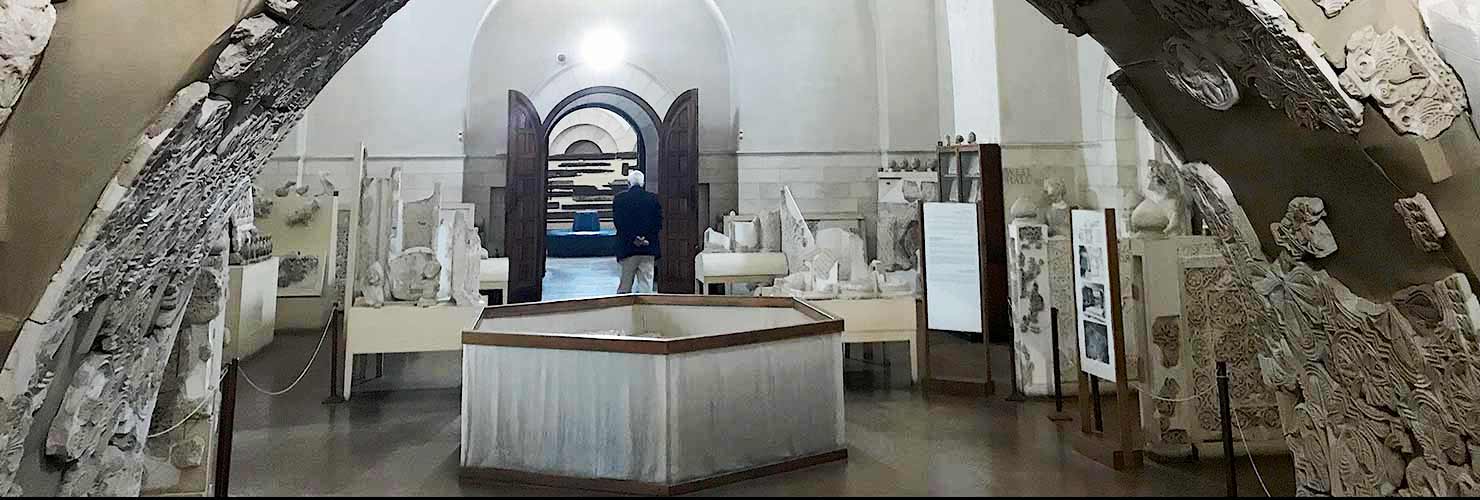
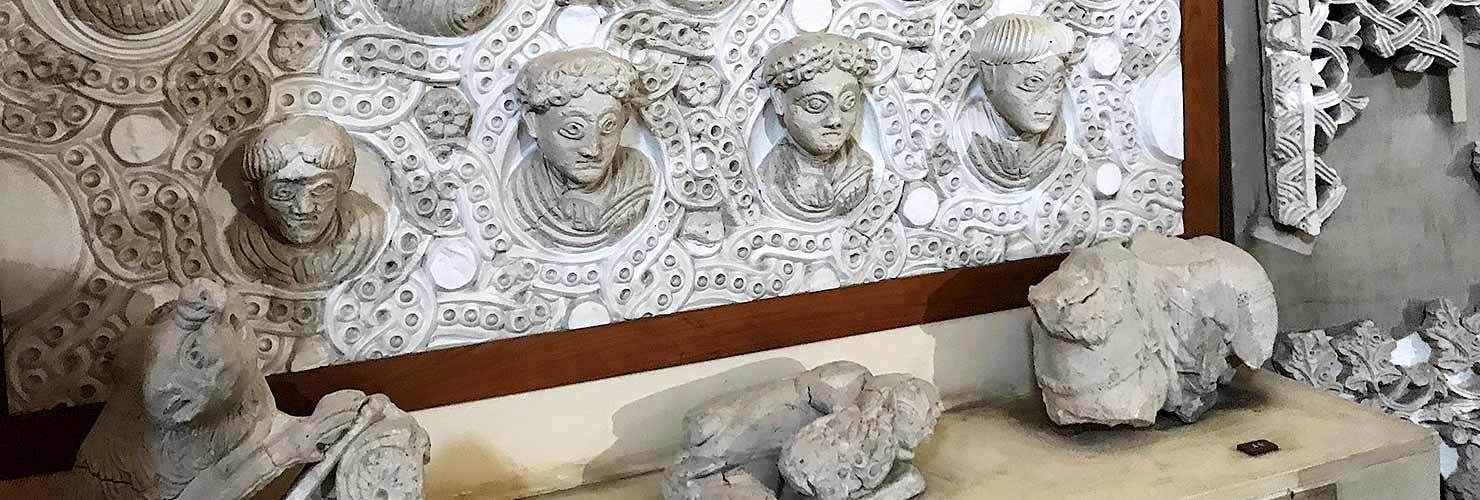
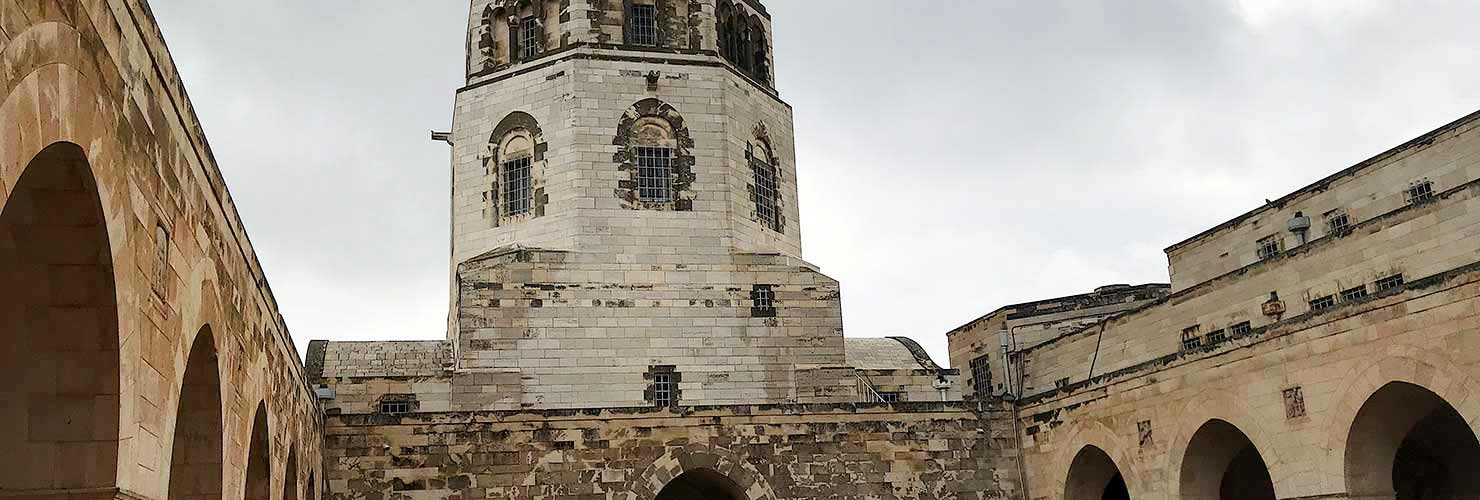
The Rockefeller Archaeological Museum, opened in Jerusalem in 1938, has concentrated in itself a large collection of artifacts found during excavations conducted in mandated Palestine in the 1920s and 1930s. The museum is part of and is run by the Museum of Israel; it also houses the head office of the Israel Antiquities Authority. The first curator of the museum was John H. Eliiff, who arranged the exhibits in chronological order, beginning with the artifacts of two million years of age and up to 1700 AD. Some of the most valuable exhibits of the museum are wooden panels from the Al-Aqsa Mosque of the VIII century and marble crosspieces from the Church of the Holy Sepulcher of the XII century (the period of the Crusades). Most of the collection consists of finds from the 1920s and 1930s. The exhibition features exhibits found in Jerusalem, Megiddo, Ashkelon, Lahish, Samaria and Jericho. One of the Lahish letters is a permanent exhibition of the museum, as is the sculpture and plaster decorations from the Umayyad Hishama Palace.
In the exposition of the Talmudic era, a mosaic floor of the 6th century is found in the ancient synagogue in Ein Gedi, where a curse is laid out in Judeo-Aramaic, saying: “Cursed is everyone who neglects his family, provokes conflict, steals property, slanders his friends or reveals the secret of making Ein-Gedi balm “.
The Rockefeller Museum housed some of the Dead Sea Scrolls found in the Qumran caves between 1947 and 1956 and consisted of Jewish texts and commentaries. In 1967, after the capture of East Jerusalem by Israel, the scrolls were captured by Israel and moved to the Temple of the Book – a specially designed building on the territory of the Museum of Israel. From this moment, there is a heated argument about the right to own these scrolls. “The Copper Scroll” was taken to the Jordan Archaeological Museum in Amman.
The excursion begins at the place of accommodation of the tourists in Jerusalem (the address and time of the excursion beginning is indicated in advance by the guide). On the tour you need to have comfortable shoes, drinking water and a hat from the sun.
Trip Highlights
- In case of accommodation of excursion participants in Tel Aviv and its environs or in other cities of Israel, we can help with recommendations on how to get to Jerusalem by public transport.
- There is the possibility of delivery on excursions and back on our transport from the Tel Aviv area and its environs and the Dead Sea for an additional fee.
- The program provides an overview of the main attractions.
- The itinerary of the tour can be made according to the requests of the tourists.
- A detailed program, taking into account the requests of tourists, is compiled after agreeing on the cost of services.